
Most multifamily investment plans have a defined horizon. A developer may build, lease, stabilize, and sell. An owner may underwrite a five-year or seven-year hold. An asset manager may be focused on the next refinance, disposition, recapitalization, or portfolio strategy.
Connectivity does not follow that same timeline.
The network serving a multifamily property will influence the asset long after the first business plan is complete. Fiber pathways, telecom rooms, conduit, equipment locations, in-unit wiring, resident onboarding systems, provider agreements, and common area network design can all affect how the property operates for years. A decision that saves money during construction or simplifies one contract negotiation can create limitations that show up well beyond the current hold period.
That is why sophisticated owners should think about connectivity differently. The goal is not just to get service installed. The goal is to create infrastructure, contract rights, and operating flexibility that make the asset easier to own, easier to manage, easier to upgrade, and easier to sell.
The network is part of the asset
Connectivity is often discussed like a service, but much of what makes a network valuable is physical. The conduit is physical. The fiber is physical. The riser pathway is physical. The unit media panel is physical. The telecom rooms, equipment racks, cabinets, sleeves, handholes, and building-to-building pathways are physical.
Those pieces become part of the building. They affect what the next owner can do, what future providers can use, and how easily the property can support changing resident expectations. A contract may expire, but the infrastructure remains.
That is why a property’s connectivity strategy should be evaluated like building infrastructure. Owners already think this way about electrical capacity, plumbing, HVAC, elevators, roofing, parking, and life safety systems. Connectivity belongs in that same category because it now supports both the resident experience and the operating systems of the property.
A weak network design can become a long-term drag on the asset. A strong network design can create flexibility, income potential, and operating resilience.
Do not design only for today’s provider
One of the most common mistakes is designing around the needs of the provider currently in front of the owner. That provider may be capable, well-intentioned, and a good fit for the project. But the property should not be physically or contractually limited to one operating model forever.
The better approach is to design the property so it can support the current provider and future options. That means clean pathways, owner-controlled infrastructure where it matters, usable documentation, spare conduit, sufficient telecom space, and an agreement that does not make future transitions unnecessarily painful.
This does not mean the owner needs to build a network for every possible provider. It means the owner should avoid decisions that create avoidable lock-in. If all usable pathway is controlled by one provider, if wiring ownership is unclear, if telecom rooms are undersized, or if the contract prevents reasonable future access, then the asset has lost flexibility.
Provider relationships matter, but the owner’s infrastructure strategy should outlast any one provider.
Build the pathway before you need it
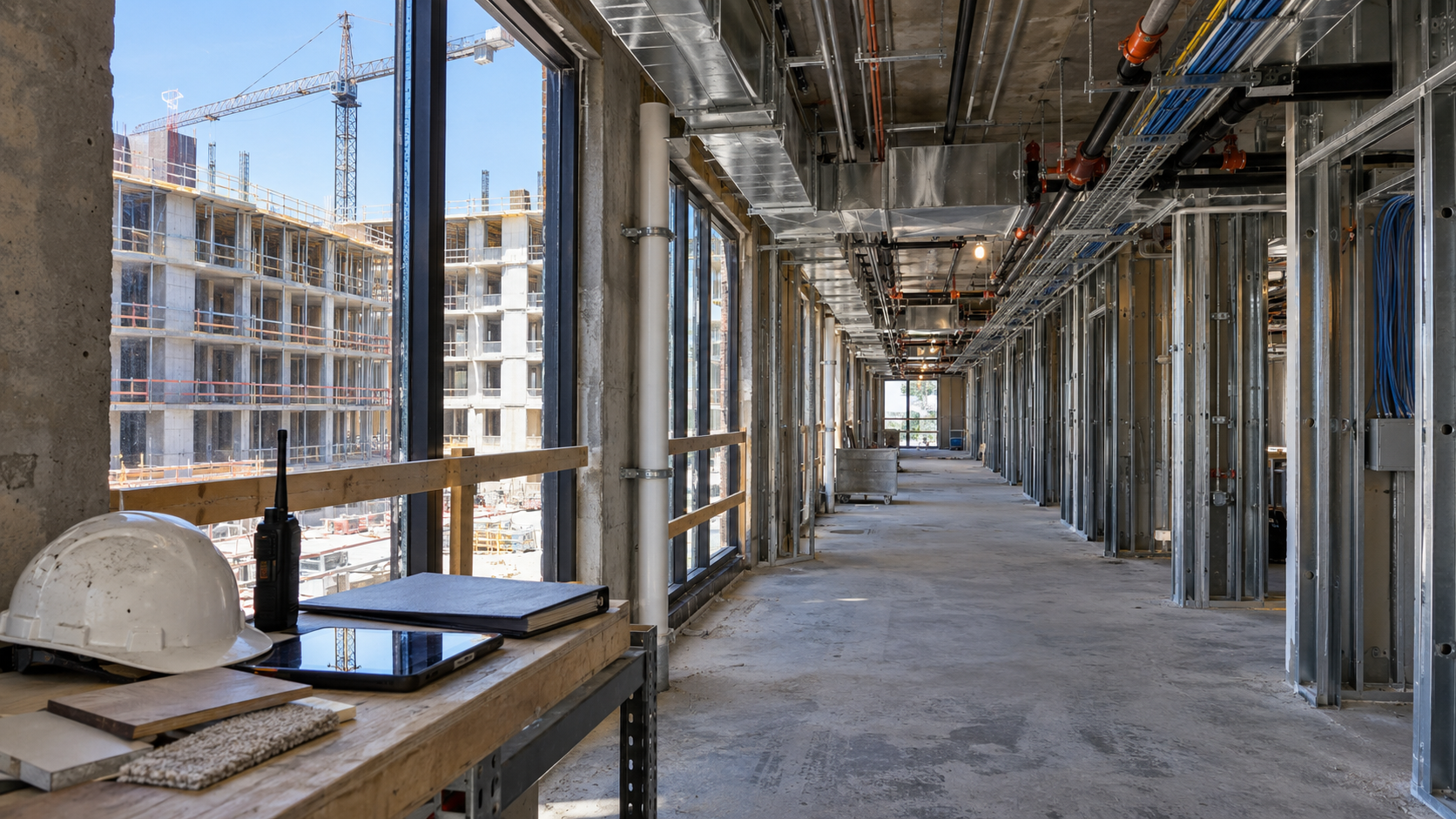
The cheapest time to create future connectivity flexibility is during construction or major renovation. That is when conduit, spare conduit, sleeves, microduct, handholes, riser space, and telecom rooms can be coordinated without disturbing residents or damaging finished spaces.
After the property is occupied, the same work becomes harder. Landscaping is complete. Asphalt and sidewalks are installed. Corridors are finished. Units are leased. Telecom rooms are filled with active systems. Every change requires more coordination, more labor, and more disruption.
That is why pathway planning is one of the most important parts of future-proofing a property. Owners should ask whether the site has adequate pathways from the right-of-way to the main telecom space, between buildings, to amenity areas, to garages, to gates, and through vertical risers. They should also ask whether there is spare capacity for future providers, backup circuits, cellular systems, smart building vendors, security systems, EV charging, and other systems that may not be fully scoped on Day 1.
Future flexibility is rarely created by accident. It has to be designed into the property.
Own the parts that preserve optionality
Ownership does not have to be all or nothing. In many cases, it makes sense for a provider to own or manage active electronics, especially when that provider is responsible for supporting the network. But owners should be very careful about giving up control of passive infrastructure that could preserve future optionality.
Passive infrastructure includes conduit, microduct, fiber pathways, risers, cabinets, racks, patch panels, handholes, sleeves, and in-building wiring. These are the pieces that can allow the property to change providers, upgrade equipment, add capacity, support new systems, or restructure the service model later.
If the provider owns or controls those pieces, the owner may find that a future transition is difficult even if the contract term has ended. A new provider may not be able to use the existing wiring. Another vendor may not be able to access the pathway. The owner may need to overbuild infrastructure that is already inside the property but not practically available.
A better structure is usually intentional. The owner understands what it owns, what the provider owns, what can be reused, what must be removed, and what happens at the end of the agreement. That clarity protects the asset.
Design for resident expectations, not minimum requirements
A network that meets today’s minimum requirement may not support tomorrow’s resident expectations. Work-from-home, video conferencing, gaming, streaming, smart TVs, connected speakers, printers, cameras, thermostats, and other devices have changed what residents expect from an apartment.
The property should be designed around a high-quality in-unit experience. That includes reliable service at move-in, private in-unit networks, strong Wi-Fi coverage, clean upgrade paths, and support that does not rely on the leasing office becoming the help desk. Residents should not feel like they are moving into a building where internet is an afterthought.
This is especially important because resident expectations will keep rising during the hold period and beyond it. A service model that feels acceptable at lease-up can feel dated before the next owner takes control. If the infrastructure cannot support higher speeds, better Wi-Fi, or cleaner onboarding, the property may lose ground against newer competitors.
A future-ready connectivity strategy should assume that residents will expect more, not less.
Common areas and property operations need their own plan
Connectivity that lasts beyond the hold period has to support more than apartments. The operating side of the property needs a plan too.
Cameras, access control, gates, package lockers, elevators, leasing offices, fitness centers, coworking spaces, pool decks, rooftops, garages, EV chargers, thermostats, leak detection, and other systems all depend on connectivity. If each system is handled separately, the property can end up with a patchwork of circuits, cellular modems, vendor-owned equipment, and undocumented connections.
That may work at first, but it creates friction over time. It becomes harder to troubleshoot problems. It becomes harder to change vendors. It becomes harder to know which systems are affected when a circuit goes down. It also creates redundant monthly costs that may not be obvious until someone reviews all the accounts.
A better approach is to design a property operations network with proper segmentation, monitoring, documentation, and support. That does not mean every system has to share the same flat network. It means the property should have an intentional connectivity architecture for building operations.
The resident network and the property operations network are related, but they are not the same thing. Both need to be planned.
Contracts should support the long-term infrastructure strategy
A well-built network can still be undermined by a poorly structured contract. If the agreement creates unnecessary exclusivity, restricts access to wiring, limits provider choice, gives away upgrade economics, or includes unclear buyout provisions, the owner may not be able to use the infrastructure the way it intended.
Contracts should support the asset strategy. That means the agreement should clearly define ownership, access rights, upgrade paths, renewal terms, buyout calculations, performance expectations, support responsibilities, common area coverage, resident upgrade economics, and what happens at expiration or early termination.
This is especially important for agreements that run seven to ten years. A long term can be reasonable when a provider is making a major investment or delivering a strong property-wide solution. But the longer the term, the more important it is to have clear expectations for technology refresh, performance, and future flexibility.
Owners should review the contract not only for what happens at installation, but for what happens in year five, year seven, and after the original business plan has changed.
Documentation protects the next decision
A future owner, asset manager, regional manager, or provider should not have to guess how the property is connected. Documentation is part of building a network that lasts.
That documentation should include as-builts, fiber counts, conduit and pathway diagrams, telecom room layouts, unit wiring records, equipment inventories, port maps, labeling standards, test results, circuit inventories, support contacts, ownership records, and contract summaries. It should also identify which systems depend on which connections and who is responsible for support.
Good documentation makes the property easier to operate and easier to diligence. It helps during provider transitions, upgrades, refinancing, sale processes, insurance events, renovations, and vendor changes. It also reduces dependency on one employee, one provider, or one contractor who happens to know where everything is.
If connectivity is part of the asset, documentation is part of the asset record.
Future-ready does not mean overbuilding everything
Building connectivity that lasts does not mean spending without discipline. Owners still need to manage cost, evaluate the business plan, and avoid unnecessary overbuild. The goal is not to install every possible system on Day 1.
The goal is to make smart decisions that preserve flexibility. Sometimes that means adding spare conduit while the trench is open. Sometimes it means choosing fiber-to-the-unit instead of a shorter-life cabling model. Sometimes it means resizing a telecom room before walls are built. Sometimes it means owner-owning passive infrastructure while outsourcing network operations. Sometimes it means documenting existing conditions before signing a new provider agreement.
Future-ready design is not about predicting every future technology. It is about avoiding avoidable constraints.
The best infrastructure decisions often feel modest during construction and valuable later. They are the decisions that give the owner options when the property needs to adapt.
The next buyer will care more than the last buyer did
Connectivity is becoming a larger part of acquisition diligence. Buyers want to know what agreements are in place, whether there is exclusivity, who owns the wiring, what infrastructure exists, how residents are served, how common areas are covered, what systems depend on the network, and whether the property can be upgraded without major disruption.
That scrutiny will likely increase. Connectivity now affects resident experience, property operations, smart building performance, and potential revenue. A buyer who understands that will view strong infrastructure as an advantage and weak infrastructure as a risk.
For current owners, that creates an opportunity. A property with clean infrastructure, clear documentation, flexible contracts, and a modern resident experience can tell a better story during a sale process. It can show that the asset is not carrying hidden technology debt. It can demonstrate that the property is prepared for future operating needs.
Even if the current owner does not plan to hold forever, building the right connectivity can still support exit value.
Build for the asset, not just the project
Every multifamily project has immediate pressures. Budgets are tight. Schedules move quickly. Providers are negotiating. Contractors are coordinating. Residents need service. Owners need the property to open, lease, stabilize, and perform.
Those pressures are real, but they should not push connectivity into short-term thinking. The network will outlast the first install, the first provider agreement, and often the first owner’s business plan. It will affect how the property operates, how residents experience the building, and how future buyers evaluate the asset.
Sophisticated owners should build connectivity around long-term control, flexibility, and performance. That means planning pathways early, owning the infrastructure that matters, designing for resident and operational needs, documenting the network, and signing contracts that preserve future options.
The goal is not simply to get the property online. The goal is to make the property easier to own, easier to operate, easier to upgrade, and easier to sell.
Connectivity that lasts beyond your hold period is not just better technology. It is better asset management.