Making the Right Call on Your Building’s Cabling
The network is the new utility—and the quality of your building’s cabling is the backbone of the resident experience. As streaming, remote work, smart tech, and managed Wi-Fi become table stakes, many multifamily owners are faced with a critical decision: retrofit with existing infrastructure or rip and replace?
At Internet Subway, we help multifamily portfolios navigate that decision with a practical, asset-aligned approach that protects both resident satisfaction and long-term value.
Understanding the Problem: Legacy Cabling Meets Modern Demand
Most apartment buildings constructed before 2010 were never designed to handle symmetrical gigabit—or multigigabit—connectivity. Common legacy issues include:
- CAT5 or coaxial cabling with limited bandwidth and poor shielding
- Daisy-chained or looped topologies, causing congestion and instability
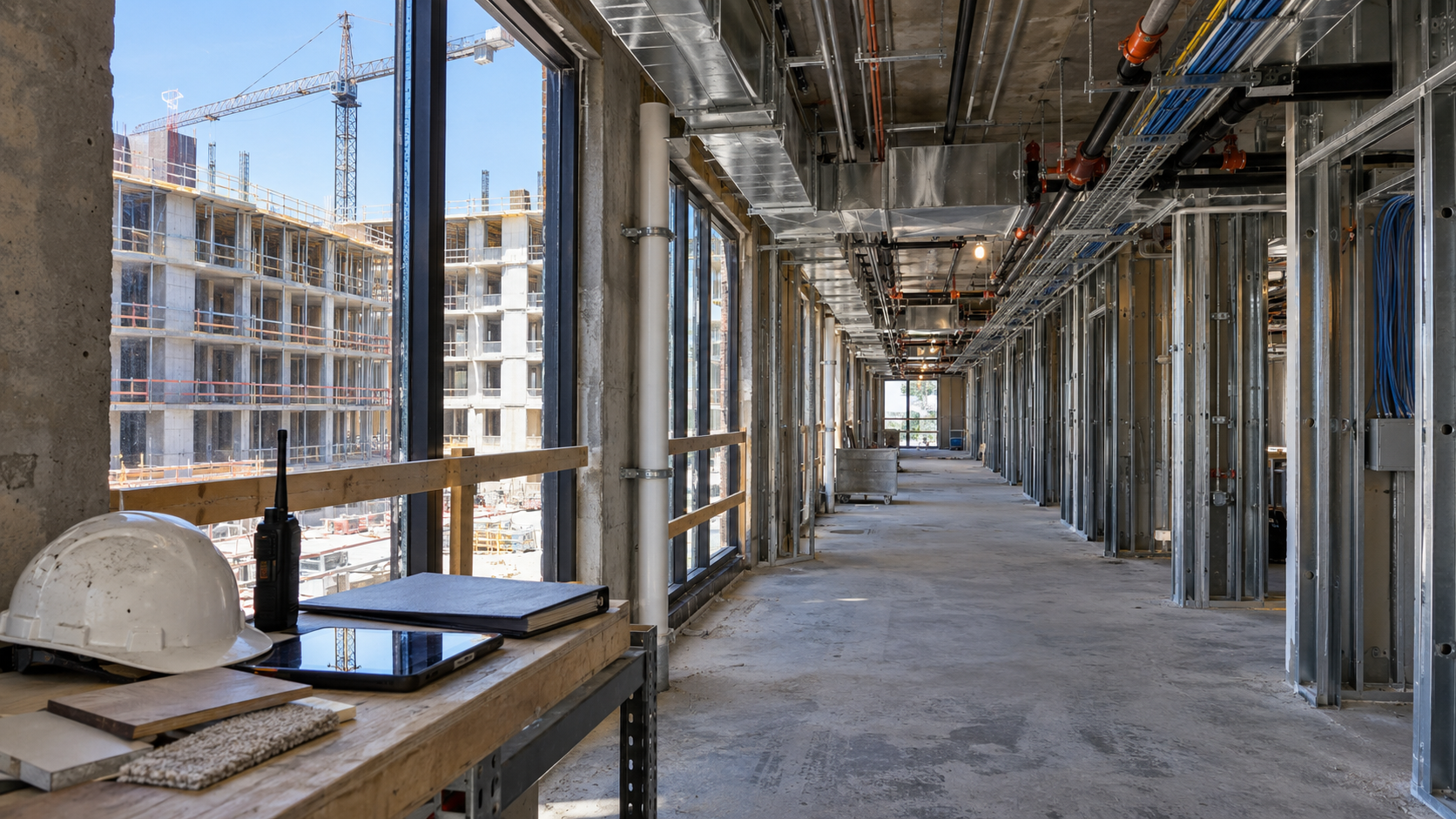
- No central wiring closet or riser access, making upgrades harder
Even if your ISP delivers fast speeds to the building, the in-unit cabling may be the bottleneck that causes resident complaints, support tickets, and lease churn.
When to Retrofit
Retrofitting can be a smart choice if:
- Your existing conduit or pathways are usable
- Cabling runs are short and accessible (garden-style, mid-rise, etc.)
- You need to limit unit access or resident disruption
- Your ownership timeline is under 5–7 years
Retrofit solutions may involve pulling new fiber or CAT6 cabling through existing chases. While not always ideal, these options can bridge the gap in a cost-effective, OpEx-friendly way.
When to Replace
Full replacement is often the better long-term strategy when:
- Your current infrastructure is fragmented or unshielded
- You’re undergoing a major renovation or repositioning
- You want to deploy fiber-to-the-unit (FTTU) for future-proof speeds
- You’re investing with a 10+ year hold horizon
Fiber-based cabling—especially with XGS-PON infrastructure—unlocks higher bandwidth, lower latency, and scalability for smart home platforms, building automation, and high-value tenants.
Bonus: Cabling replacements are often eligible for CapEx treatment, giving owners a way to add value to the asset with long-term depreciation.
The Case for Thinking Strategically
Your decision shouldn’t be purely technical—it should be strategic. Ask:
- Will this support gigabit speeds to every unit today?
- Will this scale to support 10 Gbps or more in 5 years?
- Will residents notice a meaningful difference?
- How does this impact NOI, asset value, and leasing competitiveness?
What Internet Subway Recommends
We approach every property with a site-specific audit, evaluating existing cabling, layout, and operational goals. In many cases, we propose a hybrid model: replacing backbone cabling with fiber, and retrofitting in-unit runs where efficient—giving you the best of both worlds.
Curious if your property’s cabling is ready for modern connectivity?