
Most multifamily internet models were not built for affordable housing, and that is where the issue starts. A model that works at a Class A market-rate property does not automatically work at a LIHTC or workforce housing community. Rent growth is capped, affordability matters, and every additional monthly charge has to be justified. You cannot take the same bulk internet playbook from a luxury community, drop it into an affordable property, and expect the same result.
Internet Subway was built for multifamily from the beginning. That’s important because we do not look at a property the way a traditional carrier does. A carrier usually starts with the subscriber relationship. We start with the asset, the resident experience, the property team, and the owner’s economics. Affordable housing makes that even more important because the model has to work inside real constraints, not around them.
For years, the industry has treated connectivity at affordable properties as either a utility problem or a resident amenity. It is both, but it is also a financial and operational lever. The issue is that the standard structure does not usually let the owner capture much of that value. If only a small percentage of residents upgrade, the base service is weak, or activation is difficult, the property never really sees the benefit. Residents stay with whatever provider they already know, the property team stays out of it, and the connectivity line item stays flat.
We do not think that means affordable housing is the problem. We believe the model has been wrong.
Lessons from Palmer’s Creek
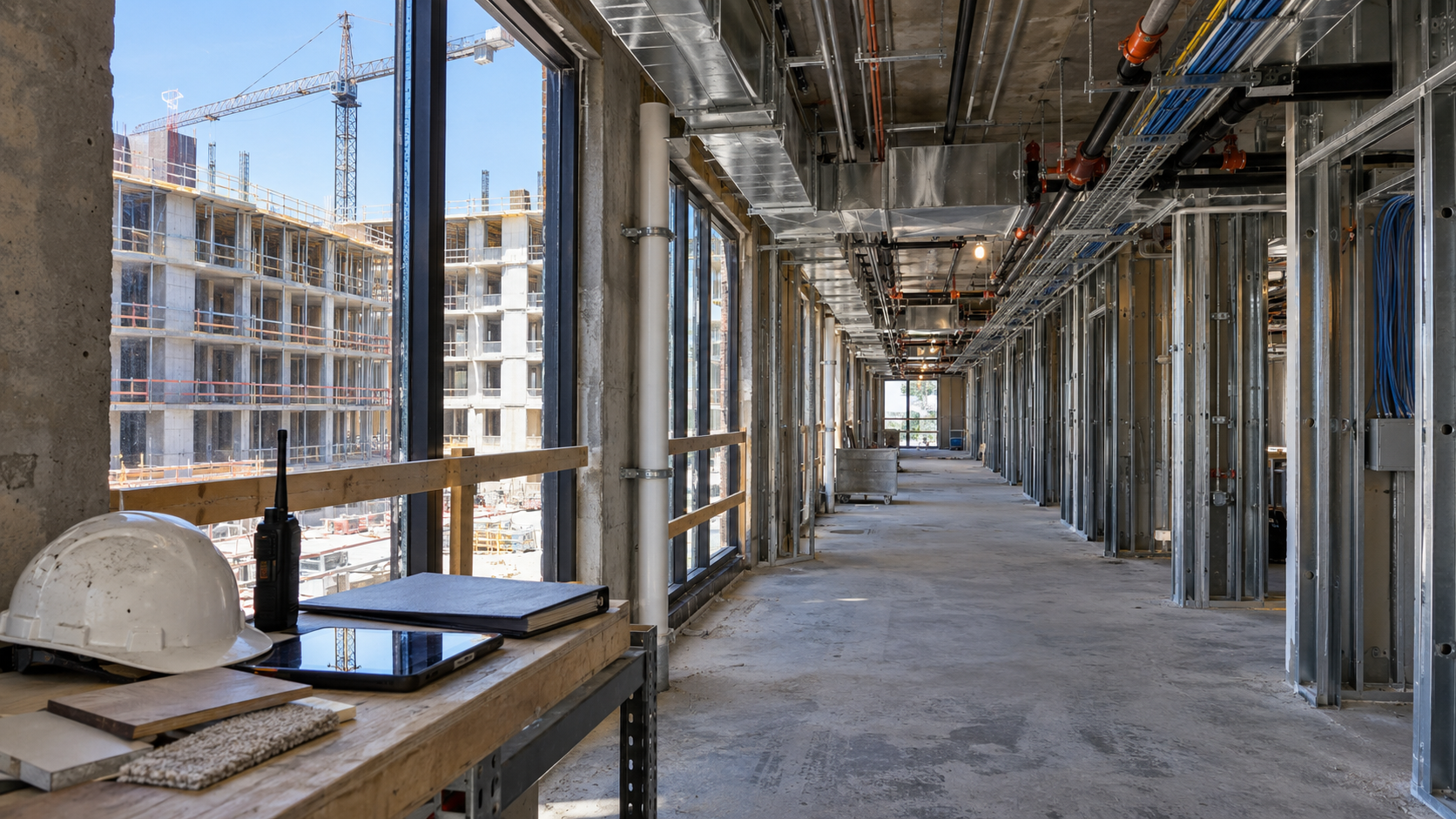
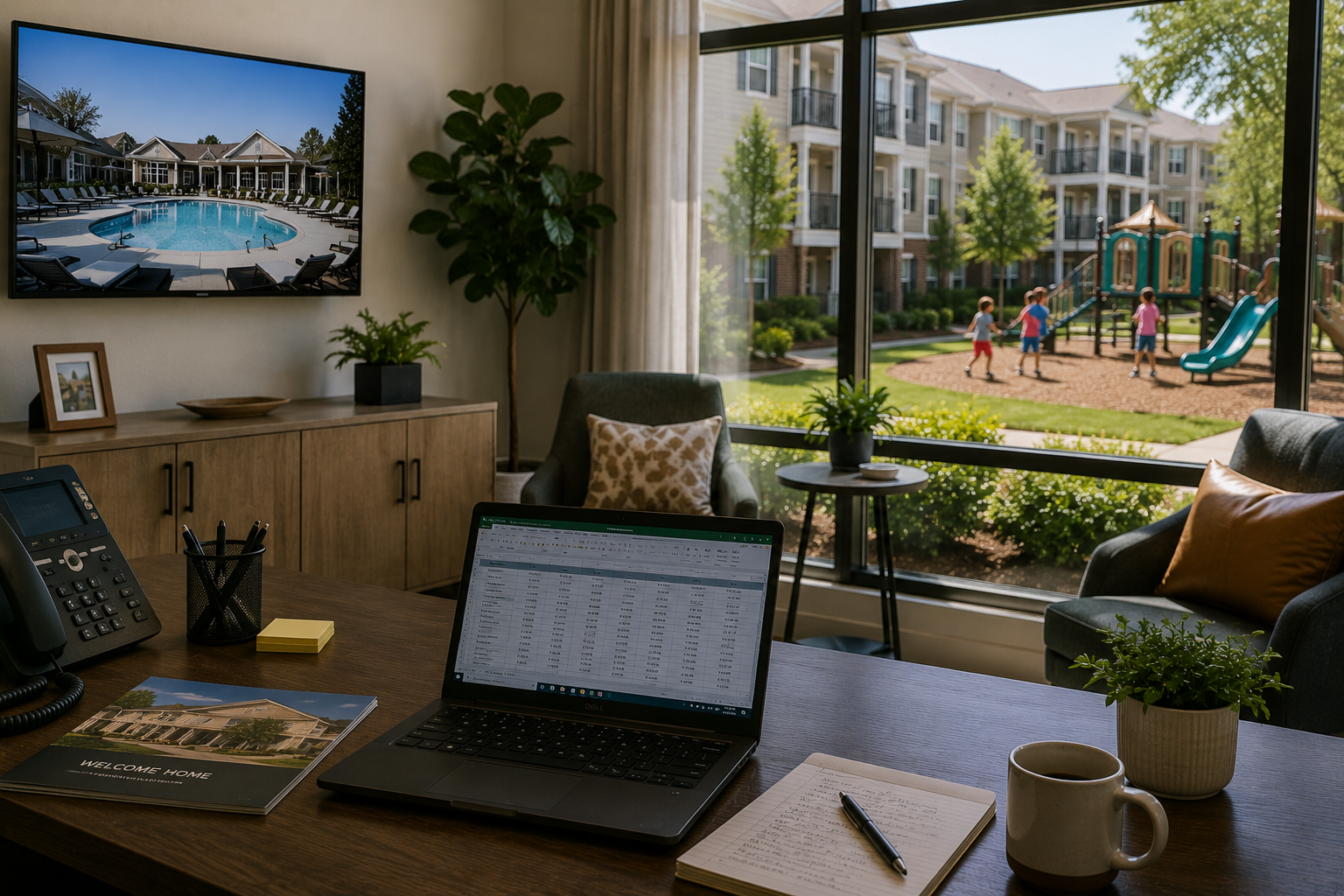
Palmer’s Creek Phase II is a 200-unit LIHTC expansion inside a 400-unit affordable housing community. The resident base is a normal working community with families, students, and working professionals. Affordability matters at every step, and the on-site team does not have time to manage an internet rollout like another full-time job.
At Palmer’s Creek, we deployed Internet Subway’s Next-Gen Managed Wi-Fi model. Every unit was offered a 500Mbps base speed package when they signed their lease. For residents who wanted more, they could choose to upgrade to 1Gbps, 2.5Gbps, 5Gbps, and 8Gbps.
A 500Mbps base service is plenty for just about everyone these days. It supports streaming, video calls, schoolwork, work-from-home, gaming, and normal household use. Affordable housing should not mean a watered-down version of connectivity. If the base service is not good enough, residents do not trust the program, and adoption suffers.
Residents are able to create credentials before they move in, so they are able to get connected as soon they arrive on-site. No technician appointment, no four-hour window, and no leasing office trying to help someone navigate a cable company’s call center on move-in day. Move-in is already one of the highest-friction moments in the resident experience. Internet should not add to it.
Residents who want more speed can upgrade without a truck roll, technician appointment, or infrastructure change. In most models, upgrades are hard enough that people do not bother. At Palmer’s Creek, the upgrade path was built into the experience from the beginning. It’s an automated provision of services, a resident can upgrade or downgrade services instantly.
Adoption Results
The industry benchmark for residents who upgrade above the base speed tier is roughly 10% in similar environments. Across the Internet Subway portfolio, our average has been 15.25%. At Palmer’s Creek Phase II, 27% of residents upgraded above the 500Mbps base.
That’s an interesting number because this is a LIHTC property where residents had the ability to opt out. This was not a captive audience being forced into a required market-rate bulk service. Residents had a choice, and 95% of residents chose Internet Subway as their provider.
When the service is easy to activate, the base tier is genuinely useful, and the upgrade path is simple, adoption is very strong. Not because the property team is pushing it every day, but because the model is easier for the resident to say yes to. We have seen this across enough properties to know the issue is not demand. Residents need good internet. The issue is structure.
This is where affordable housing deserves a better conversation. The question should not be whether affordable residents need high-quality internet. Of course they do. The question is how to deliver it in a way that works inside the affordability constraints of the property. Palmer’s Creek is a useful proof point because it shows that the constraint can be designed around. You do not have to choose between resident experience and asset performance. You just need the right structure.